
Facebook and Instagram ads can introduce a church event, ministry, or Sunday experience to nearby people who may not be actively searching for it. The strongest campaigns do more than generate impressions. They connect the right invitation to a useful page and a thoughtful follow-up process.
Church Meta Ads work best when the campaign has one audience, one primary message, and one measurable next step. Trying to advertise everything the church offers at once usually creates vague creative and weak results.
Choose an invitation people can understand quickly
Start with a specific reason to respond. Easter and Christmas services, Vacation Bible School, community events, parenting classes, support groups, youth activities, and a plan-your-visit invitation can all provide a natural first step.
Write for someone who has never visited your church. Avoid insider language and explain what the event is, who it is for, when it happens, where it is located, and what the person should do next.
Build a focused local audience
Geography matters more than a large theoretical audience. Define a realistic area around the church based on normal travel patterns, nearby communities, and the event itself. A citywide holiday event may justify broader reach than a weekly small group.
Do not make targeting so narrow that the campaign cannot learn or deliver consistently. Use the available audience controls responsibly and remember that ad delivery is influenced by Meta's systems as well as the settings selected by the advertiser.
Use creative that looks like your actual church
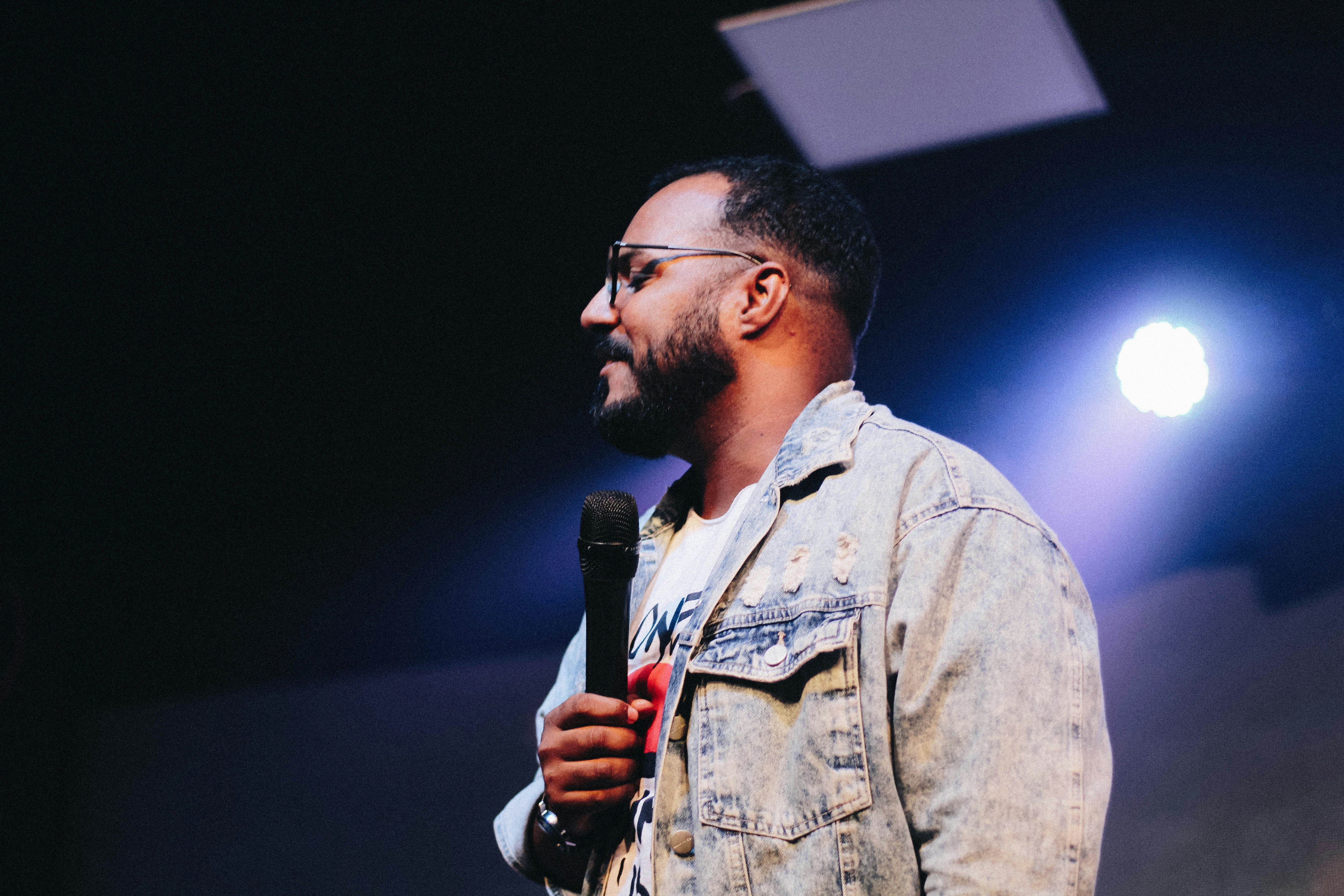
Relevant photography and video build trust. Show real people, spaces, worship, children's check-in, volunteers, or the event experience when you have permission to do so. Clear mobile-first video and natural photos often communicate more than a graphic overloaded with text.
Keep the primary message visible early. For an event, include the event name, date, city, and reason to care. For a plan-your-visit campaign, show the welcome and explain what a guest can expect.
Send every ad to a matching landing page
The page after the click should continue the same promise made in the ad. If the ad promotes VBS, the landing page should immediately show ages, dates, cost, location, registration, and contact information. Do not send every campaign to the homepage and expect visitors to hunt for details.
A high-performing church website → should load well on phones, use a clear heading, answer common questions, and present one obvious action.
Measure responses beyond clicks
Define the campaign outcome before launch. Depending on the invitation, that may be a registration, plan-a-visit form, phone call, directions request, message, or completed contact form. Install and test the Meta Pixel where appropriate, but also compare online activity with registrations and in-person attendance.
Advertising data is directional, not perfect. Use it alongside real ministry feedback: Did new families attend? Were registrations a good fit? Did people arrive with the information they needed?
Plan timing, budget, and follow-up together
Begin event campaigns early enough to build awareness, learn which creative connects, and retarget interested visitors when appropriate. Avoid spending the full budget in a last-minute burst unless the event and audience genuinely call for urgency.
After someone registers or plans a visit, send a useful confirmation. Include arrival details, parking, children's information, and a human contact for questions. BrightPath's church visitor systems → help connect advertising responses with a warm guest experience.
A simple church Meta Ads framework
Use this sequence for each campaign: define the ministry goal, choose the audience area, create the invitation, build the matching page, configure measurement, launch multiple creative variations, and review results frequently enough to improve the campaign.
If you want to assess whether your church is ready before spending money, use the free Facebook Ads Readiness tool →.
Plan a focused local campaign
BrightPath manages paid Facebook and Instagram campaigns for church events and visitor outreach.